

What happened when trust became infrastructure.
My phone lit up just after 5:00 in the morning.
I was just beginning to wake. The call hadn’t disturbed me — Do Not Disturb had seen to that — but when I glanced at the screen later, I recognized the number.
Ali. An alumnus of our FRP-02 cohort, calling from Ghana.
At that hour, my first thought was simple: something must be wrong.
I texted him immediately. His reply came back almost instantly. Everything was fine. Better than fine, actually. Could we talk?
We got on a call.
What unfolded was this. Lillian, a member of the Africa 2100 community based in Kenya, had secured a contract she was ready to execute — but she didn’t quite have the capital to get started. Ali had the resources, and the willingness to help.
The two of them had already found each other through Africa 2100’s Buddy Program. Over the previous year, what began as a simple introduction had grown into a genuine working relationship built on trust.
What they needed now wasn’t an introduction. It was structure — a way to move beyond an informal understanding and create a financing arrangement that protected both parties and gave them confidence to move forward.
So we got to work. An agreement was drafted. The financing moved. The project began.
What struck me afterward wasn’t that Africa 2100 had solved the problem. It was that the community had already solved it. We were simply the structure that allowed it to move forward.
Ali was calling, I think, because he wanted someone else to understand what had just happened.
I did.
Over the past several weeks, we’ve been exploring an idea that sits at the heart of Africa 2100’s work: Africa doesn’t lack talent. It lacks trust infrastructure.
We’ve described trust infrastructure as the systems, relationships, and accountability that allow people who don’t yet know each other to collaborate with confidence. What we hadn’t yet seen quite this clearly was what happens when that infrastructure begins to disappear into the background. Because that’s what good infrastructure does. You stop noticing it.
There was no pitch competition. No investor showcase. No formal program event. Two members of the community encountered a problem they could solve together — one had an opportunity, the other had the resources to unlock it. Because they had been intentionally connected, and because that relationship had been given time to develop, they already trusted one another enough to act.
Our role wasn’t to broker the relationship. That relationship already existed. Our role was to help formalize the arrangement correctly and provide the governance that allowed both parties to move forward with confidence.
That distinction matters. Trust infrastructure isn’t always what initiates a transaction. Sometimes it’s what allows one to close.
The counterfactual is worth considering.
Without financing, Lillian would almost certainly have walked away from the contract. Not because she lacked the capability to deliver. Not because the opportunity wasn’t real. Nothing about her ability changed overnight — the gap between opportunity and execution was simply larger than the resources immediately available to her.
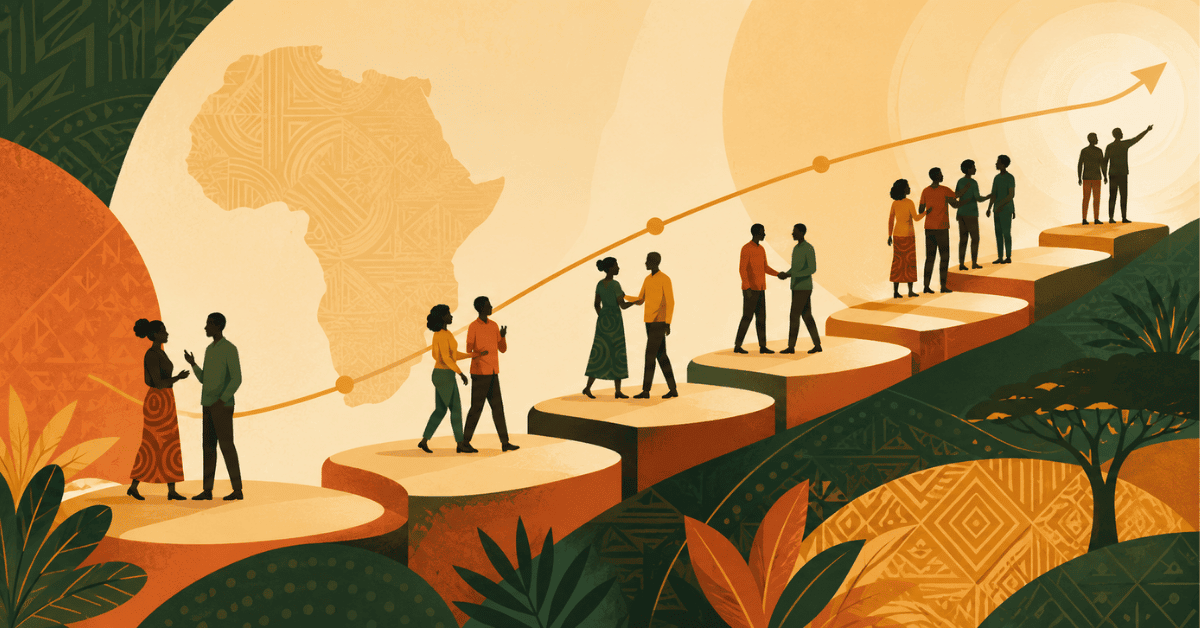
That story plays out every day across Africa. Founders do the difficult work of becoming ready. They identify customers. They earn opportunities. They win contracts. And then the journey stalls — not because they aren’t capable, but because they lack the relationships, capital, or trusted connections needed to cross the final bridge.
This time, the bridge existed.
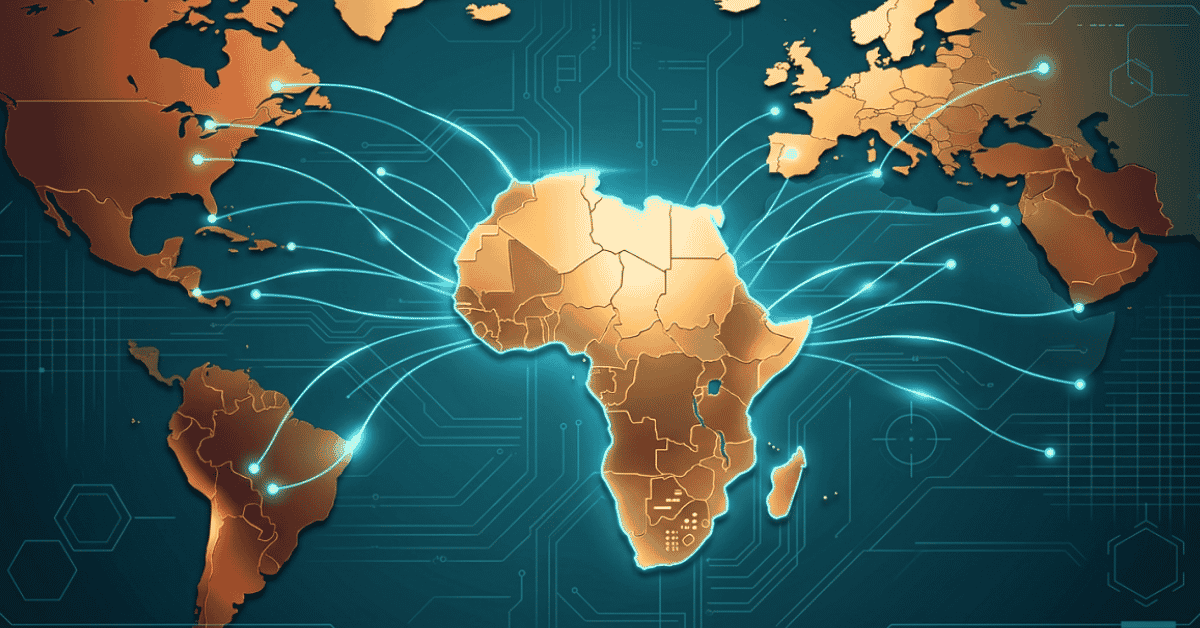
What changed wasn’t Lillian’s readiness; she had already built that. What changed was that someone in Ghana trusted her enough to invest in it — across borders, across distance, within a relationship intentionally cultivated by the Africa 2100 community. A pan-African collaboration, not as an aspiration, but as a transaction that actually closed.
The contract is now being executed.
We often talk about trust infrastructure as though it’s a framework. Verified readiness. Transparent reporting. Structured accountability. Shared standards. Those things matter — they create the conditions for collaboration.
But the 5:00 a.m. call reminded me that all of those systems ultimately exist to serve something much simpler. Somewhere in the community, someone has an opportunity but lacks the resources to pursue it. Somewhere else, someone has the resources but lacks visibility into where they can make a meaningful difference. The real question is whether enough trust exists between them to act — and whether, when they are ready, there is a platform capable of helping them move forward with confidence.
This time, there was.
Perhaps that’s the simplest definition of trust infrastructure we’ve discovered so far: when opportunity meets readiness, someone is willing — and able — to bridge the gap.
Imagine that happening not once, but thousands of times across Africa. Founders. Mentors. Investors. Operators. Professionals across the diaspora. Not connected by chance, but by trusted relationships, shared standards, and a common commitment to helping one another build.
That’s what we’re building.
Ali (FRP-02) and Lillian are members of the Africa 2100 community who were connected through the Africa 2100 Buddy Program, an initiative designed to foster trusted relationships across countries, disciplines, and stages of the entrepreneurial journey.
Join the movement-follow us



This was such a lovely read. I love the organic flow of relationships growing through the A2100 platform. The future is truly bright. Well done Chudi and everyone at Africa 2100.